Our practice
Our practice
There is a different kind of attention in making something by hand.
Clay keeps moving after the hand lets go. It settles as it dries and changes again in the fire. We leave room for what the material brings, irregularities included.
Japanese and Chinese ceramic traditions shape how we think about proportion, and how everyday ritual gives an object meaning. We study these histories while building a language of our own.
Yang
陽
The outward gesture
Then comes the gesture. The wheel turns and a wall rises until the vessel opens. Change arrives through touch.
What the hand remembers.
Some things are felt before they are seen, like the cool touch of glaze or the warmth a cup gathers in the hand.
A life in vessels.
Every decision at the rim or the foot changes how a vessel is held and lived with. We study the familiar shapes of everyday life, then give them room to become something personal.
-
The shape of everyday ritual.
From tea bowls and cups to plates and flower vessels, a small study of proportion and purpose. All thirteen are drawn at one scale with the same 260 cm³ of clay, so every difference comes from shape.
Choose a form to see it turn at the top of the page.
An object is more than form.
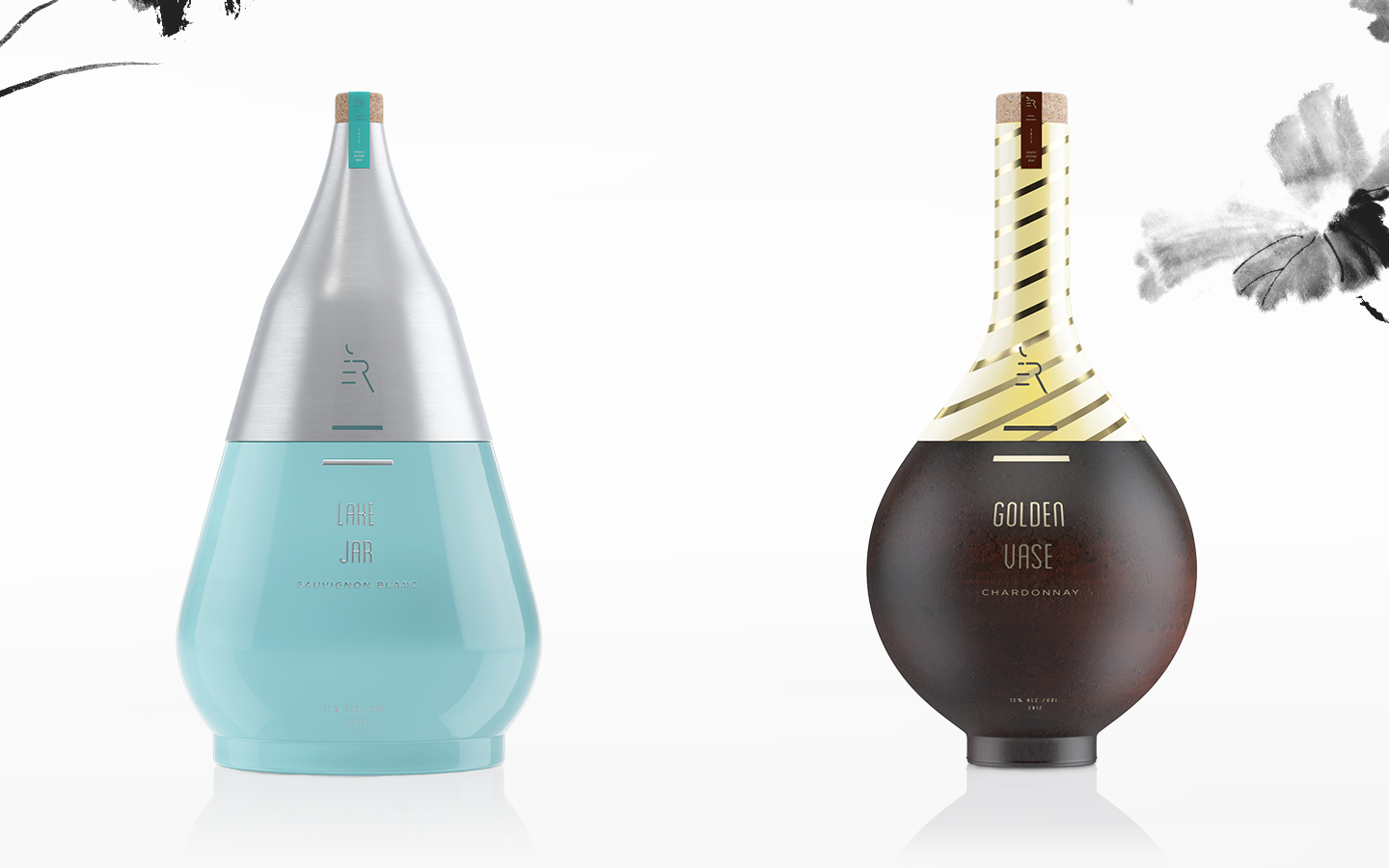
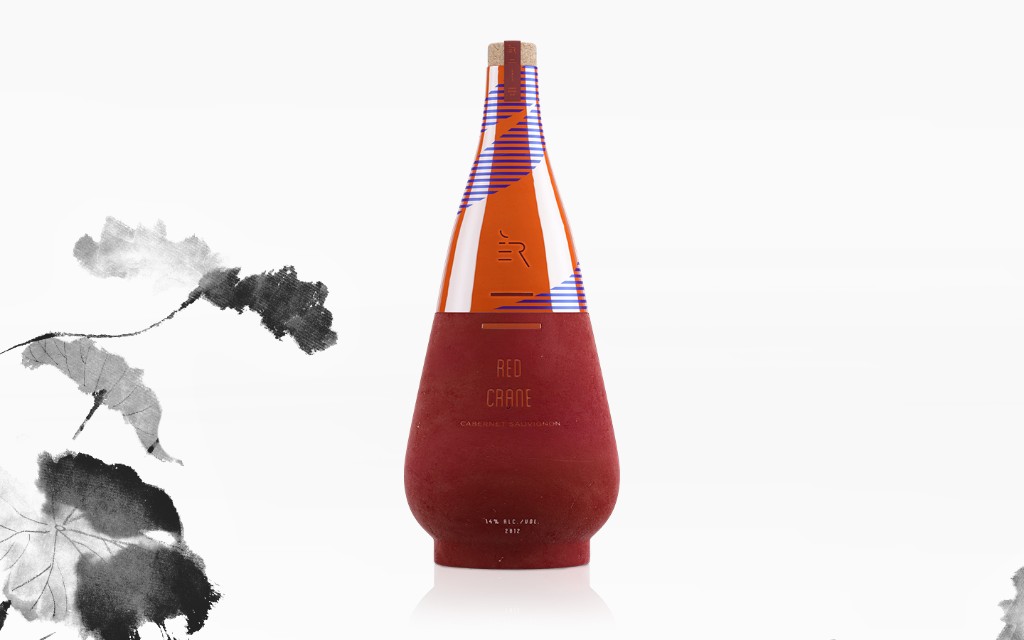
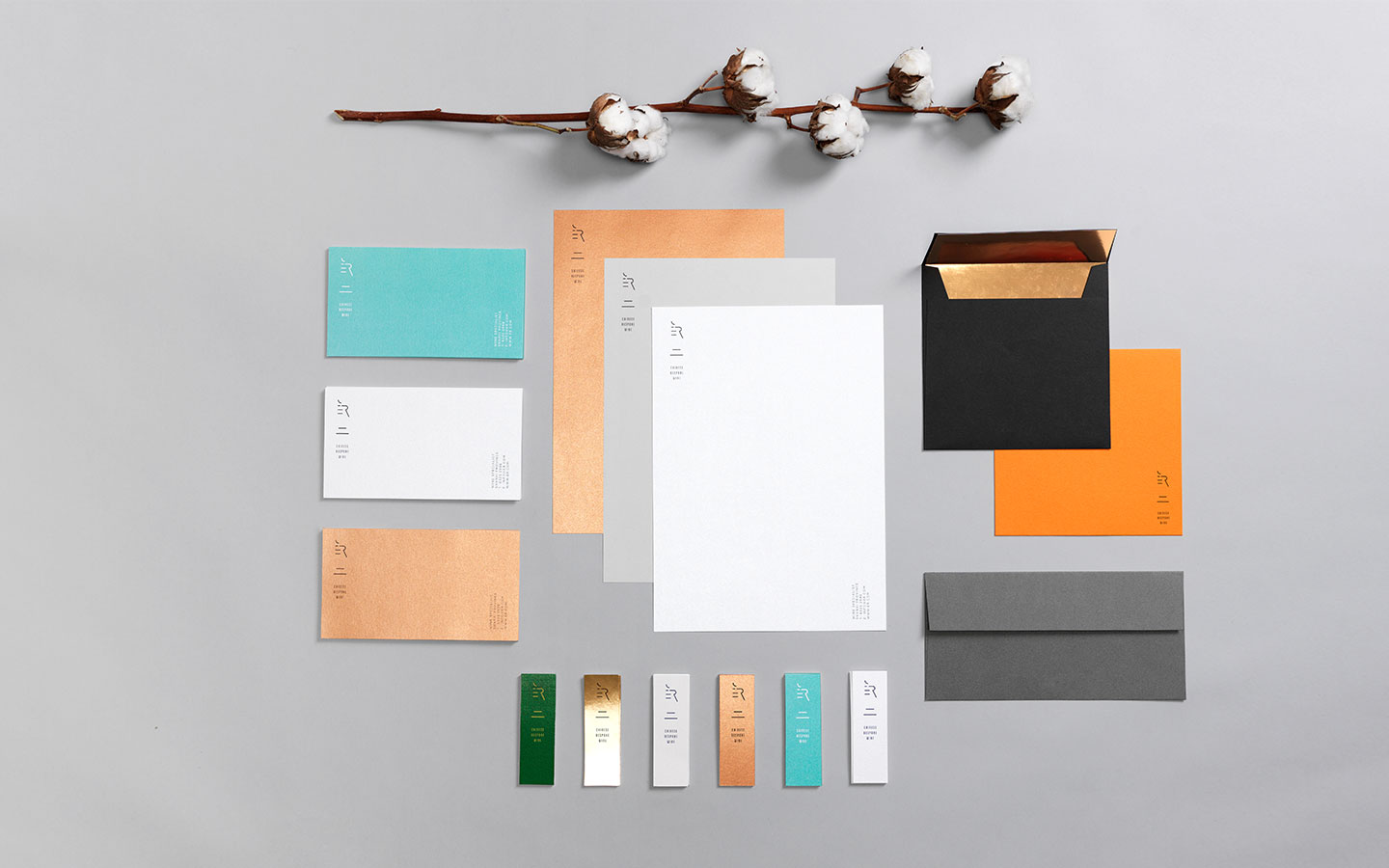
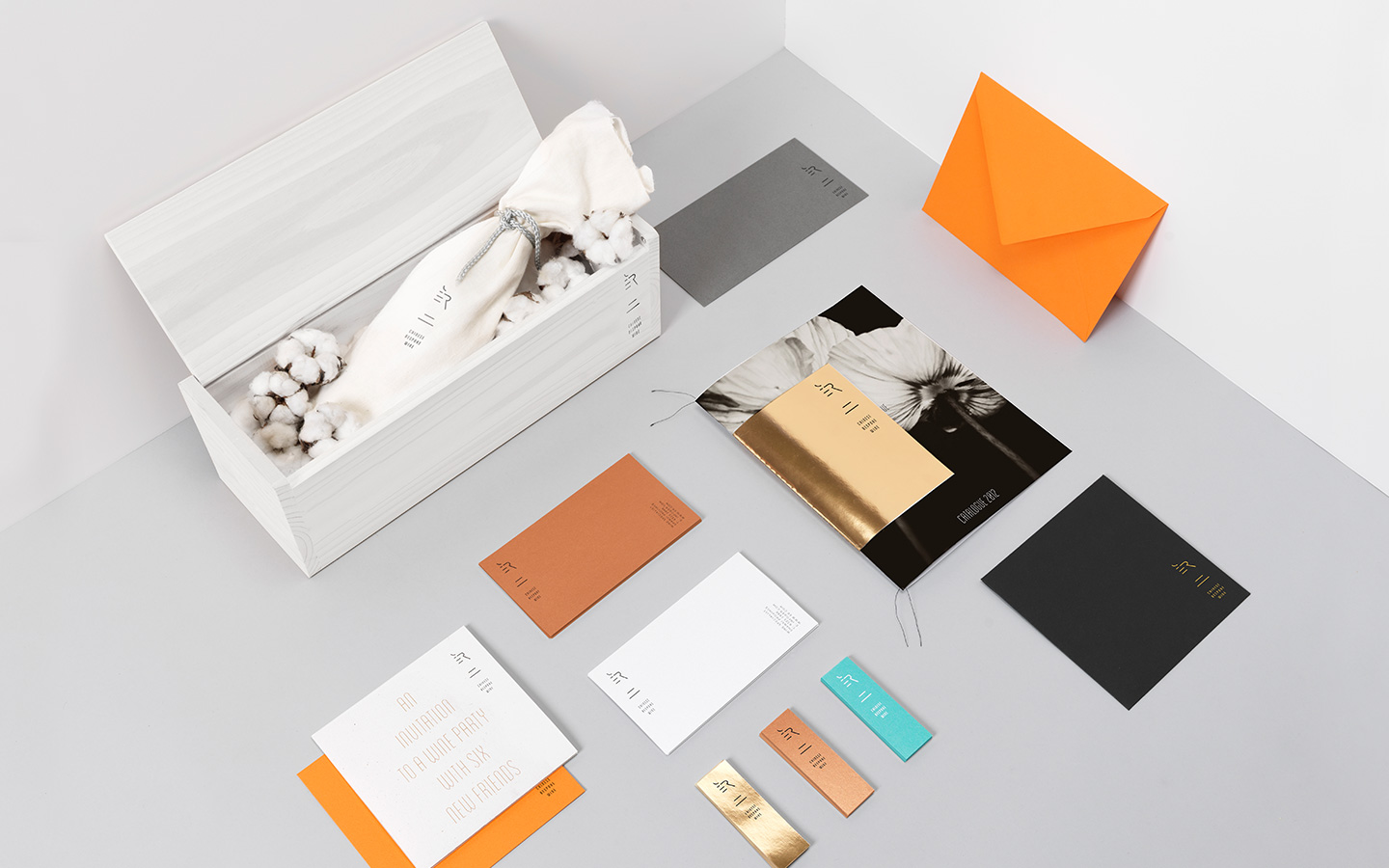
An object goes on living beyond the kiln, in the light it catches and the hands that return to it. How it is presented matters too.
The small things.
A mark pressed into paper can be as deliberate as a rim or a foot. The same care goes into the texture of a wrap and the space left around a single character.
A sense of place.
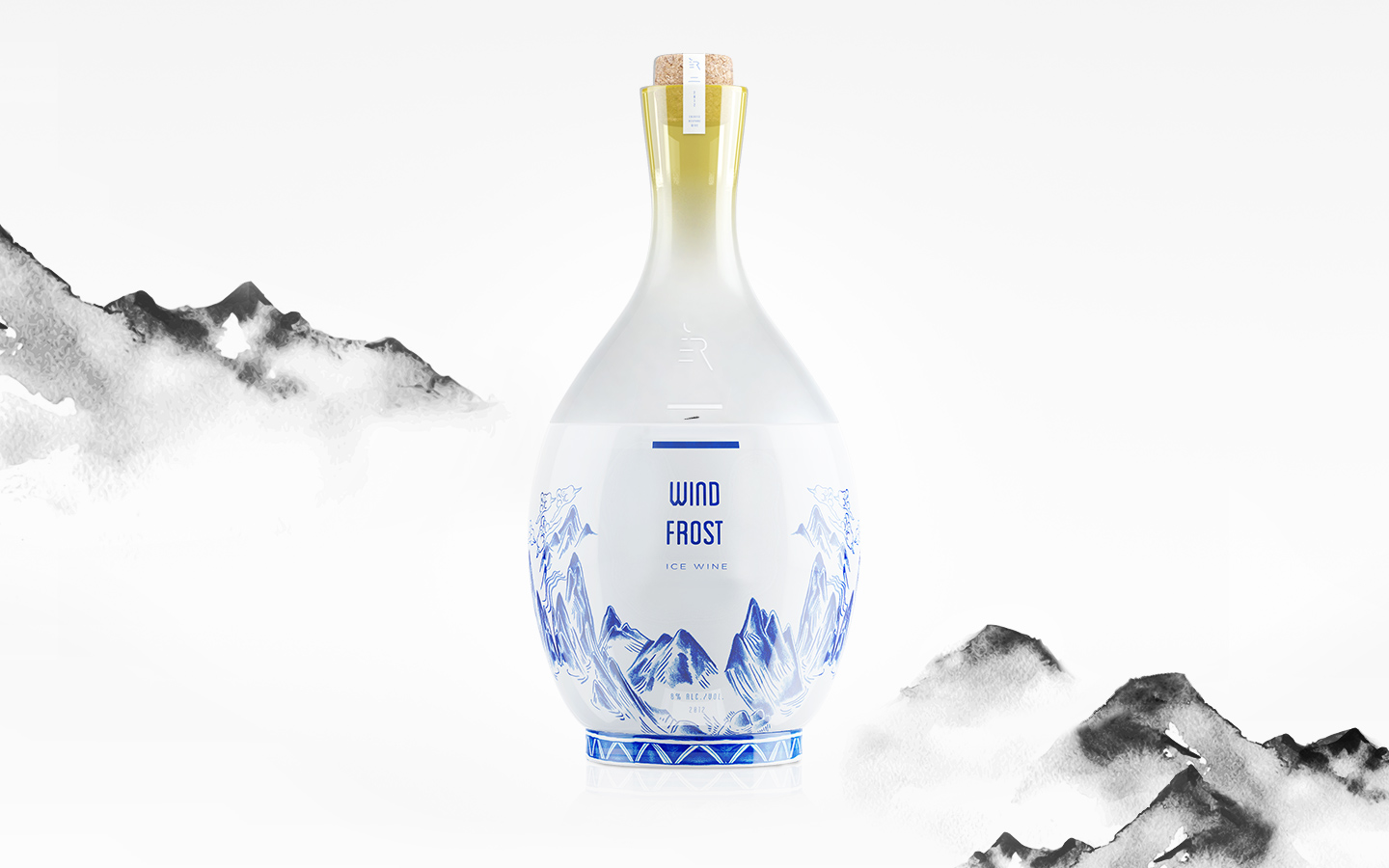
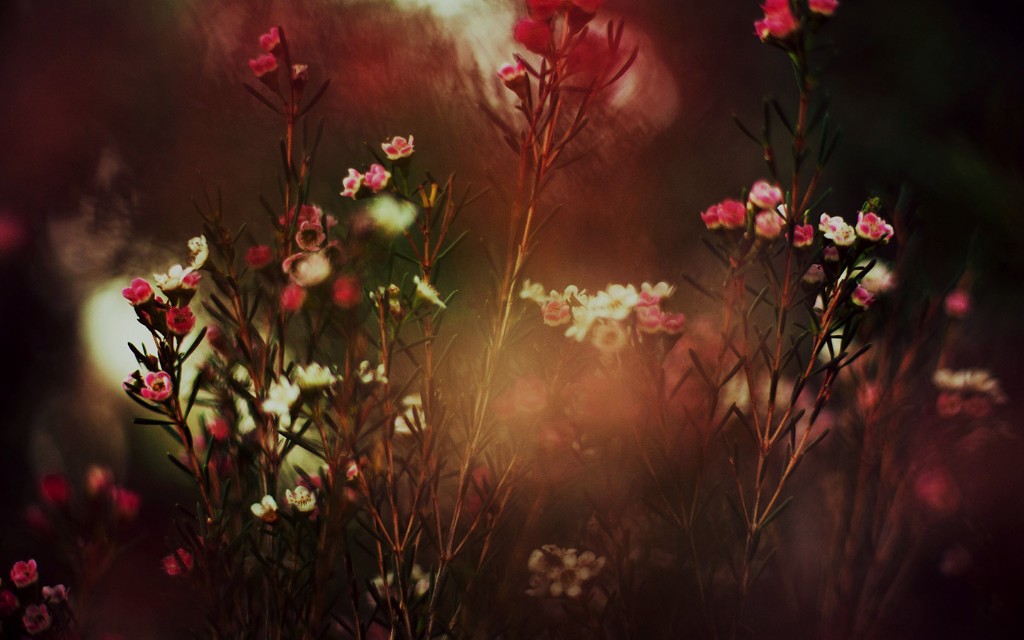
We draw on ink painting and botanicals for the feeling they leave. The aim is a visual world that is quietly distinctive and unmistakably Slowthrow.